Shorts
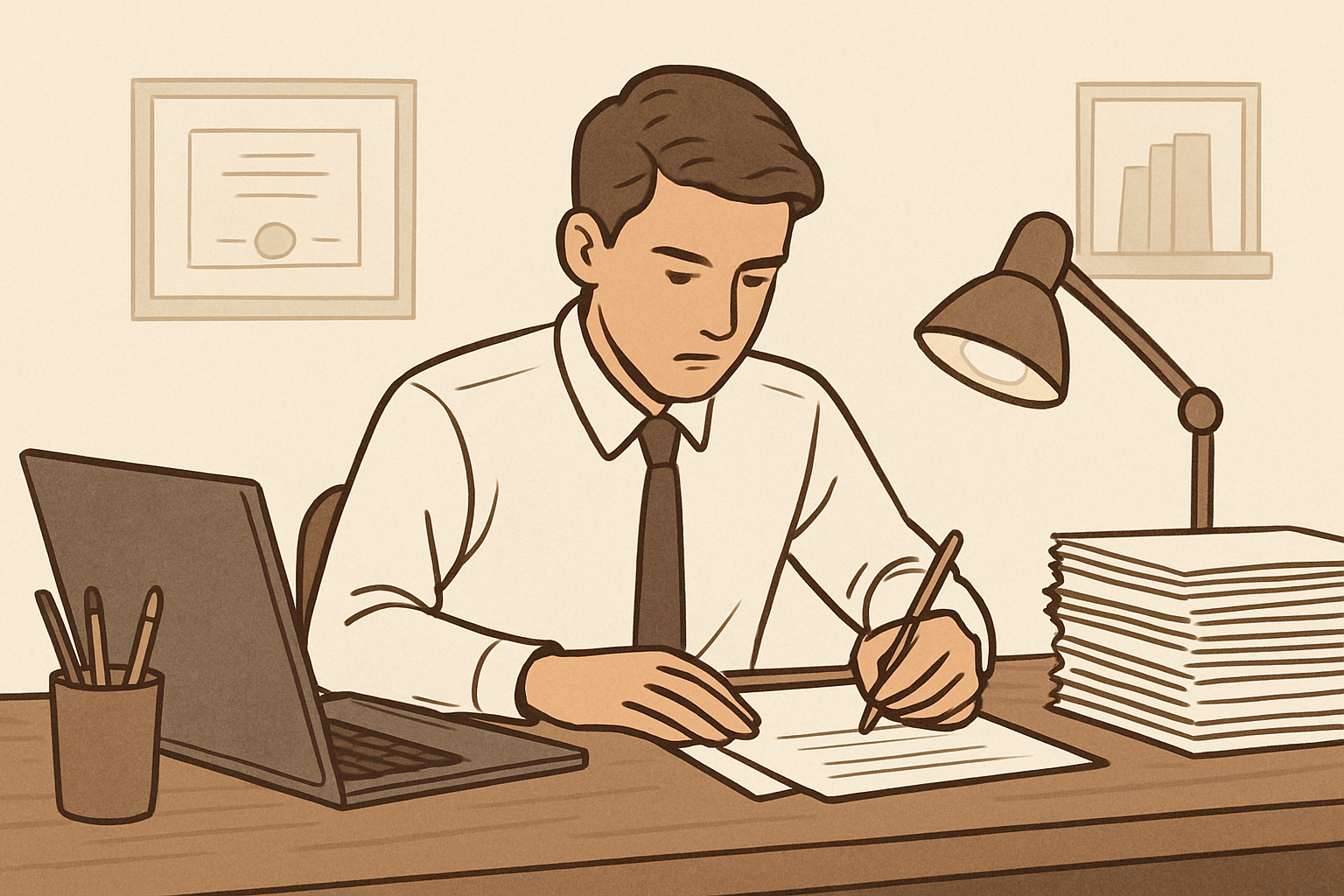
Work Ethic
If the Platitude WORKS...
Work, tactics, strategy: A bicycle does its thing when effort turns the pedals, the back wheel actualizes the energy, and the front wheel steers the way.
Omphalopsychites (naval gazers) violate their wonderment via their sustained inactivity.
Requisite for work: work.
Knowledge is only half the battle.
Steam is to heat, as success is to industry.
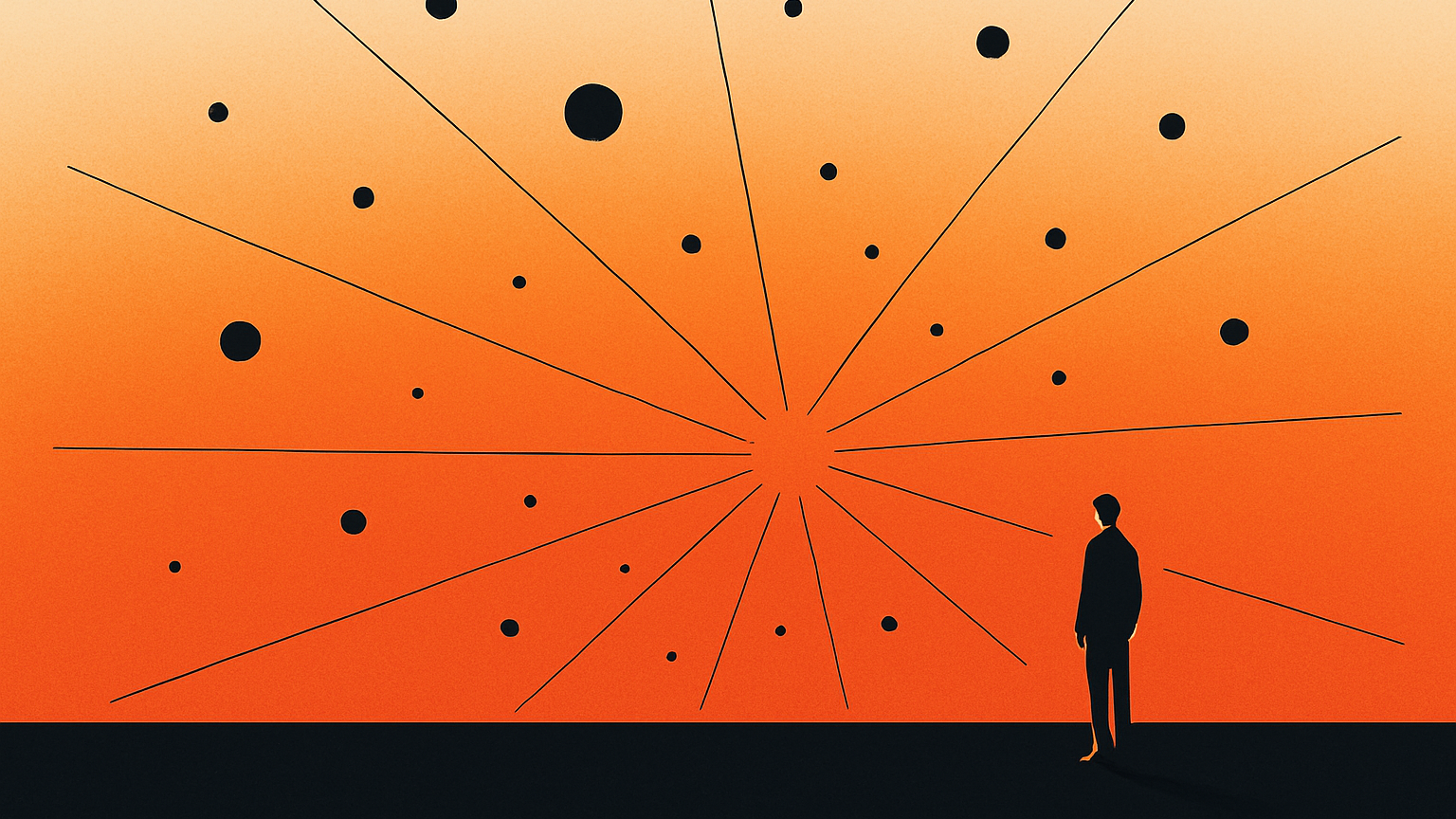
When God created the universe...
When God created the universe, she didn't expect a payback.
That's my favourite line. It was uttered by Sid Kessler in conversation with me (though i inserted the letter 's' to form the word 'she')
Before the big bang, i don't think there was anybody back there, rubbing their hands together, saying, "okay, let's see what i get out of this."
Nope.
The big bang was a unidirectional outflow of creation.
So, the key to selling? Leading? Coaching? Educating?
Alignment with the flow of the universe: unidirectional momentum to give, create, expand.
On Meditation
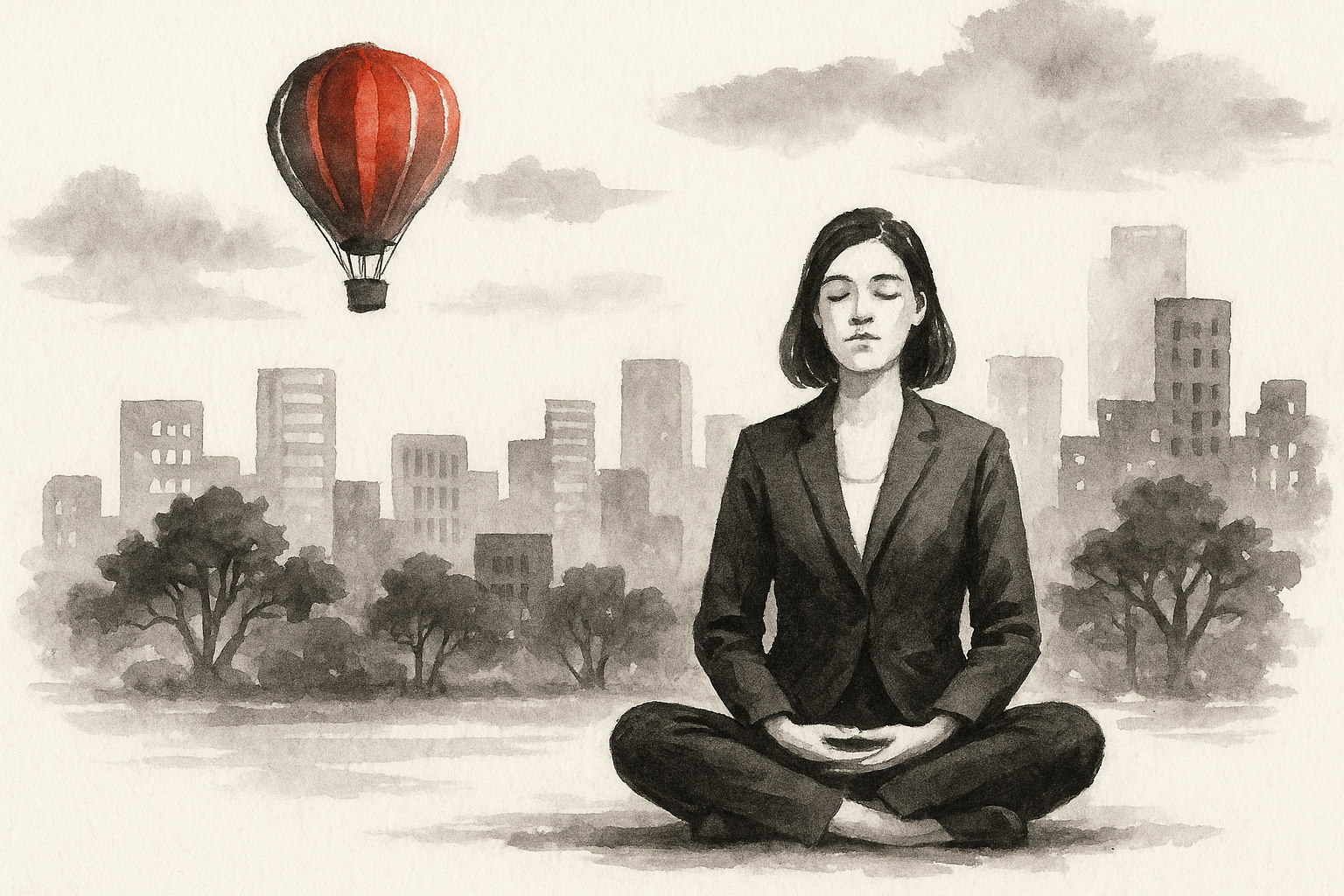
Meditation can be like a hot air balloon ride. In ballooning, you’re floating along, in silence, maybe falling a little too low, a little too close to the ground, you release some heat into the balloon and it levels you off for a minute or two. Similarly, in deep meditation, in silence, maybe falling a little too low, a little too close to sleep, you release some energy with just a whiff of deliberate thought, and it levels you off, for a minute or two.
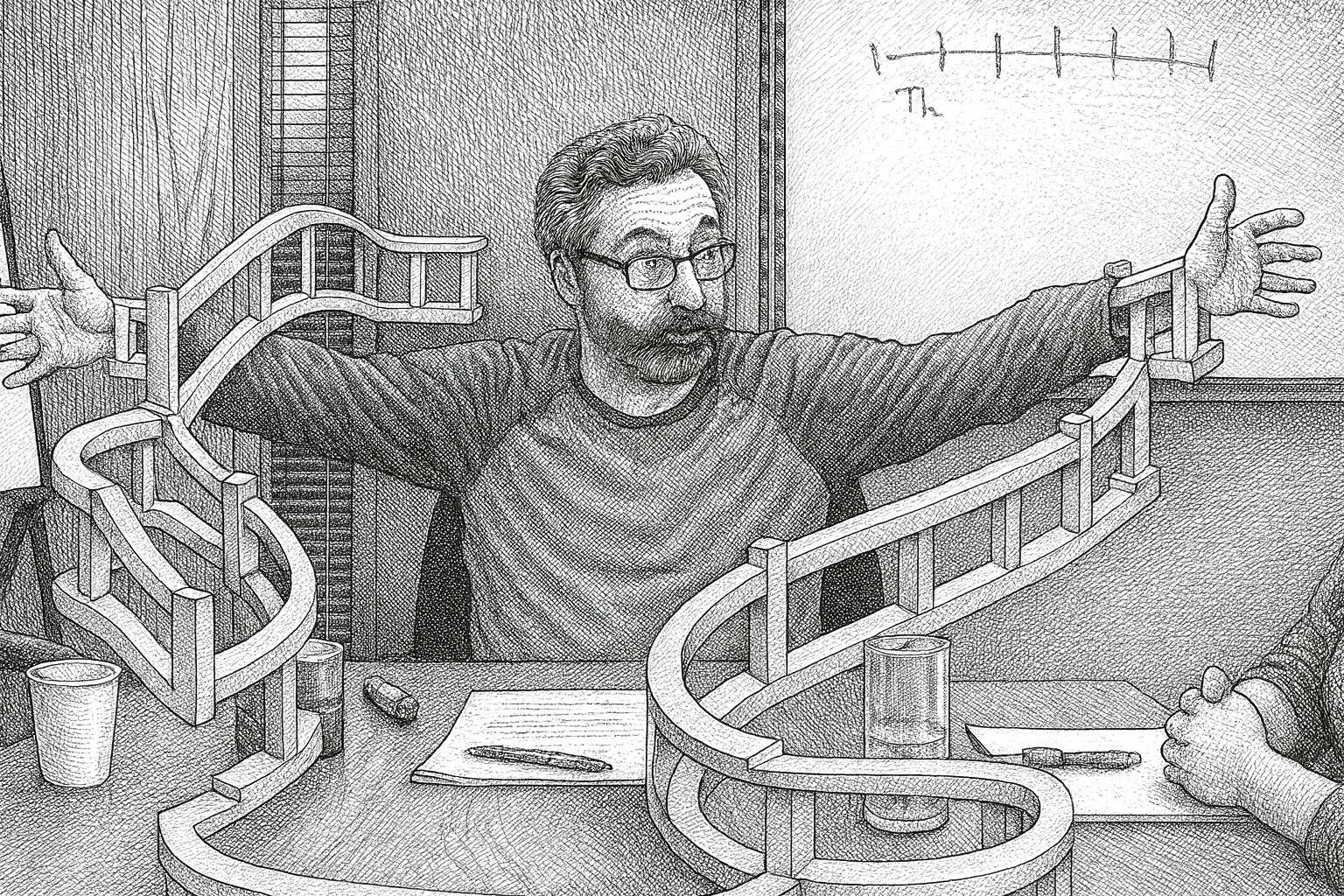
I DO have a problem
Apparently one of the newest ways to help folks with obsessive-compulsive disorder is to encourage them to say, for example, while they are furiously washing their hands in order to clear away germs, "I do have a problem, but it is not with germs, it is my OCD."
Think about that. You're obsessing over something so much so that all of your attention is consumed by it—you practically BECOME it, it's so all-consuming. And then, from somewhere else inside you, you offer yourself release; you recognize that you are not that obsession. You are someone WITH an obsession.
Disidentification is a beautiful thing.
Sometimes I am lost in my job. I have become my job. Sometimes I AM my fear. Or, I am my toothache. Or, I am, walking down this street, with my coolest gear, one cool guy.
I once read (Ferrucci) that we become whatever crosses our consciousness. Neat.
For me, this is veritable proof that I am an illusion.
And it's a profound gift. Choice. Release. Freedom.
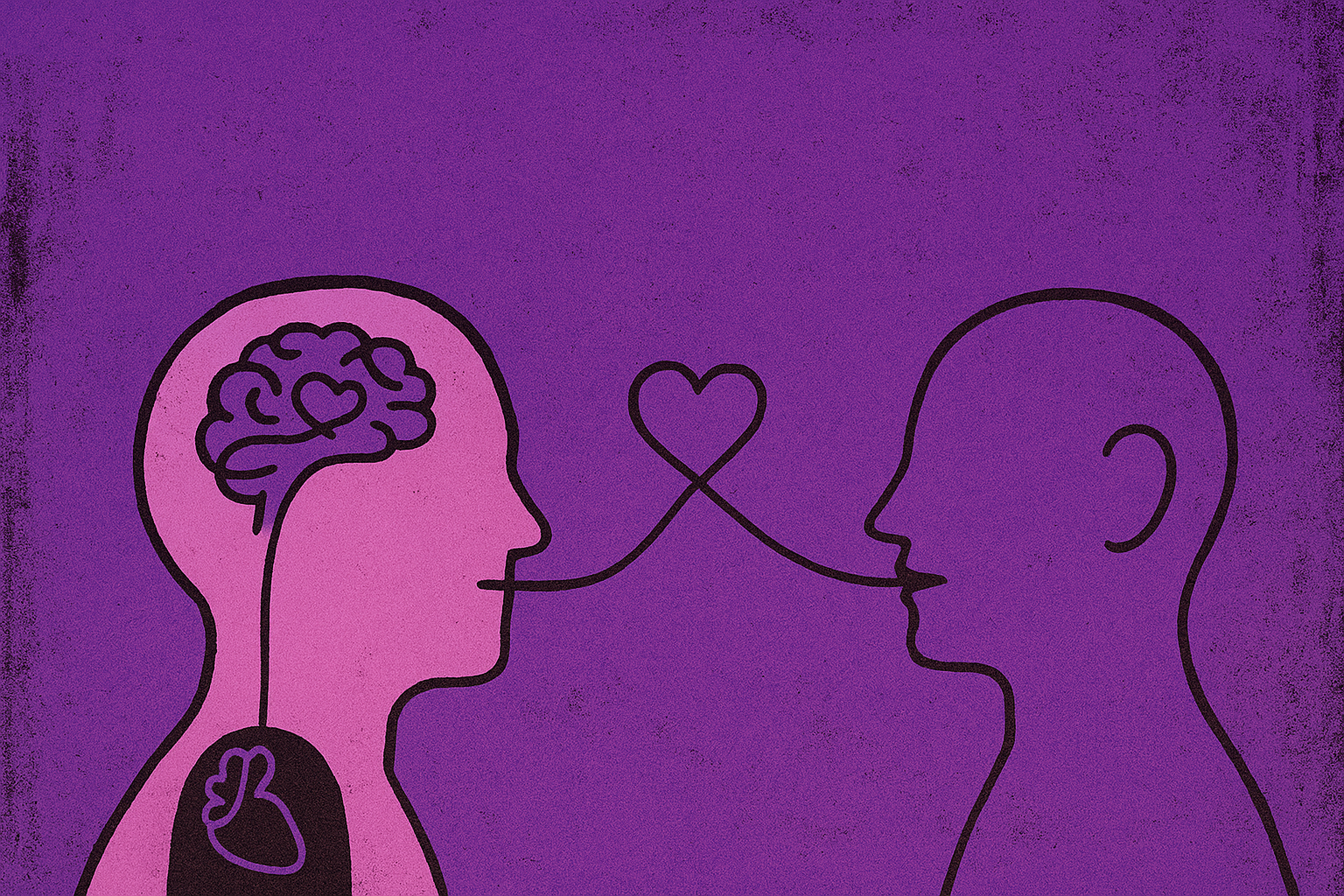
Persuasion
Now this—this is good:
"If you wish to persuade me, you must think my thoughts, feel my feelings, and speak my words."
– Roman Statesman (and attorney) Cicero
Be Happy
Here’s my happiness manifesto.
1. Shut down work stuff at night and over the weekends. Period.
2. Find a hobby. Work it.
3. Hang around with positive people. Avoid negative people.
4. If there are kids in your world, roll on the floor with them. Now.
5. Pamper yourself, in a way only you know, daily.
6. Exercise—even in some small way--because you know you want it.
7. Give to others.
8. Regarding that person who REALLY bugs you...let it go, just for today.
9. Each day, do 2 little things you don’t like to do.
Notice that the each of the above requires some degree of will. You ARE your will. By willing, you become more like you.
Ask yourself: What am i if i am not my choices?
Narcissism
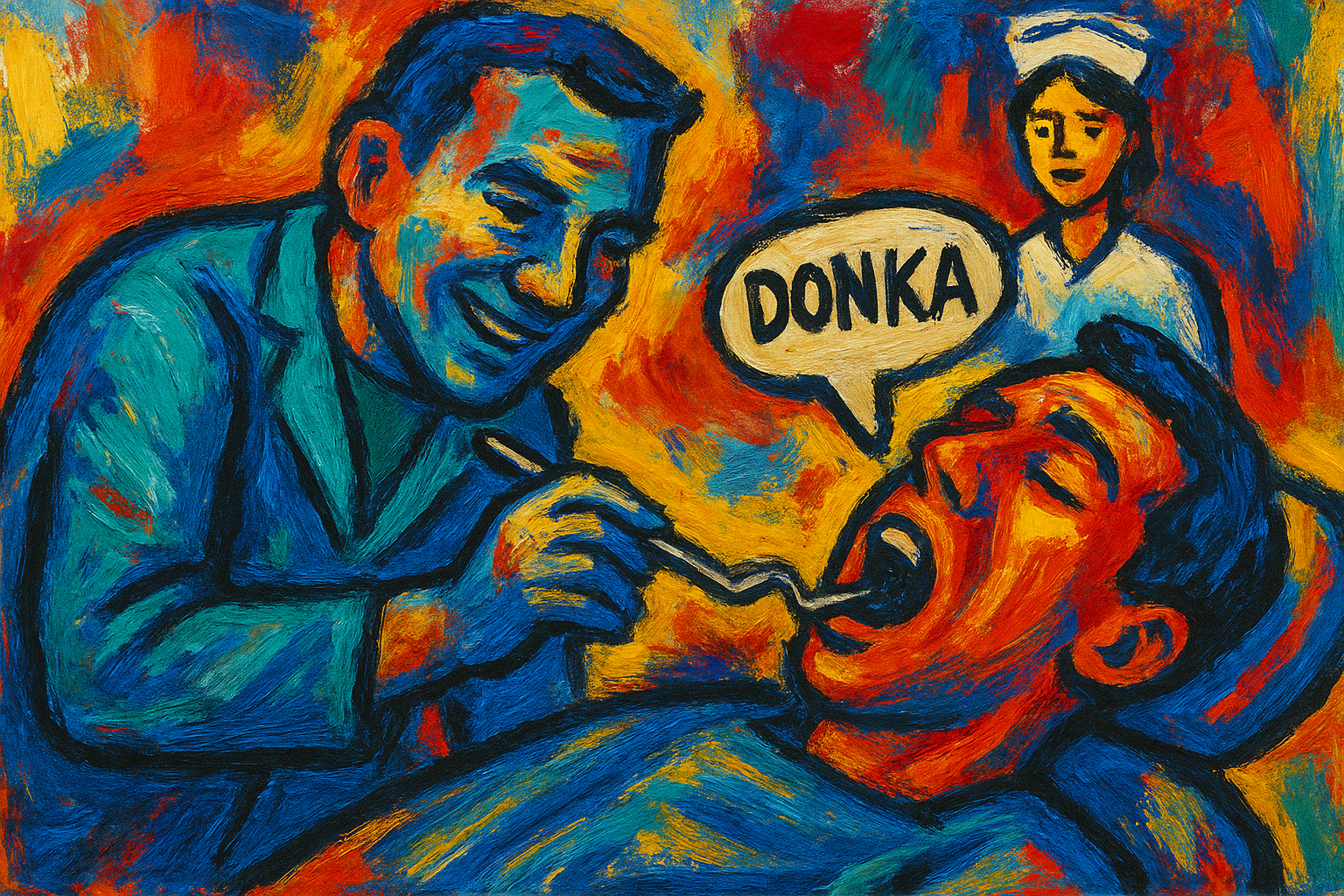
Here I am in the dentist chair, mouth wide open and loaded up with steel utensils. The dentist is working away. The process of installing this little oral splint is sort of complicated, I think; I can hear him making little grunts and I can feel him trying to get to this little spot in my mouth from different angles.
After a few minutes he seems to sigh with relief; I can see his muscles relax out of the corner of my eye. With a sense of accomplishment, he says, “Donka.”
Now, neither I nor my dentist are German, but as far as I can tell, he is offering an informal German “thank you”. He is saying thank you to ME—perhaps playfully,as in, “you were a good patient through that.”
Of course, since all I’ve been doing is keeping my mouth open and periodically resisting the impulse to gag—surely I don’t deserve any thanks. But, to be involved in the little conversation, and even though my mouth is open and full of tools, I kindly deflect the gratitude back to where it belongs: “Thanks to YOU,” is what I intend. It comes out as something like ANGS OO YUU.
But apparently the job is not done. He leans over and, again, squirrels away in my mouth.
Two minutes pass.
Sounding really finished this time, and leaning back, he says it again, “Donka”. To keep things going, but with my mouth still loaded up, I give him another, “angs oo yuu”.
He starts taking out the utensils.
At this point his assistant walks in the room and asks, “Yes doctor, what would you like?”
He says, “Donka, would you get me some…”
On the Fridge Door
Over 15 years ago I ran my training company from my basement. That's where i would sit thinking about, and designing the content for, the training programs I would deliver.
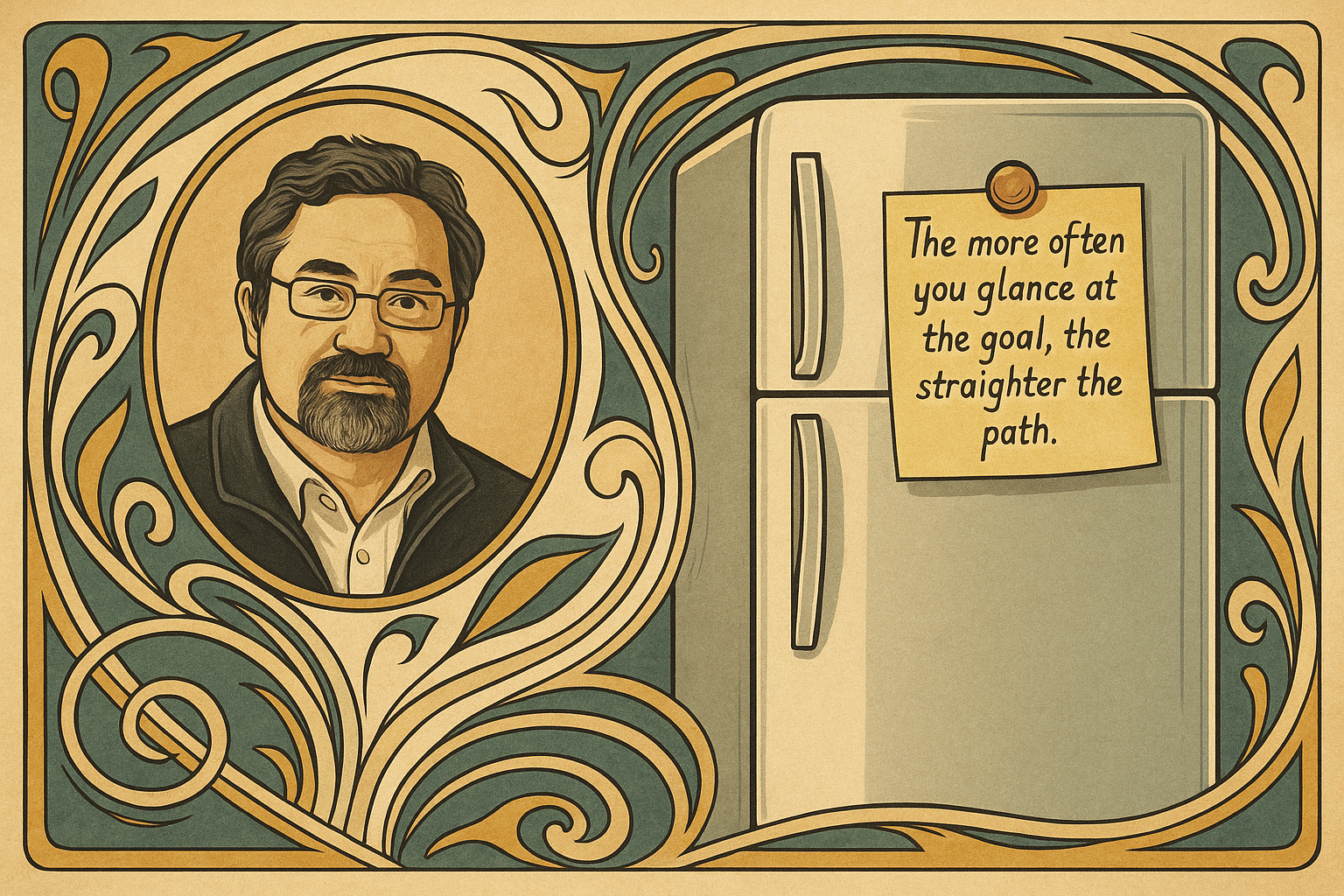
One time I was designing a program about how successful sales people operate. Part of that program was about goals -- not only the need to have them but the need to stay focused on them. So I created the sentence, "The more often you glance at the goal, the straighter the path." The idea, for example, is that if you are walking in a field towards a large tree or a tower or something, the more often you looked up to check for the tree, the straighter your path to the tree would be.
A couple of months ago, more than fifteen years after I designed and delivered that training program, a colleague of mine received an email. As do many email senders, at the bottom of the email, in her signature area, the sender had a quotation, "The more often you glance at the goal, the straighter the path."
My colleague, a trainer who has periodically delivered that same message to other groups, recognized the sentence. He was excited for me. He ran to my office with a printout of the email. We shared a lovely moment about the effect we get to have in our industry. He wrote back to her asking about the quotation in the signature section of her messages--where it came from, why she chose THAT saying.
She replied, "I don't know where I got it from, but it's very important to me. I have used it as a guide for the longest time. I even have it posted on my refrigerator door at home. Isn't it neat?"